

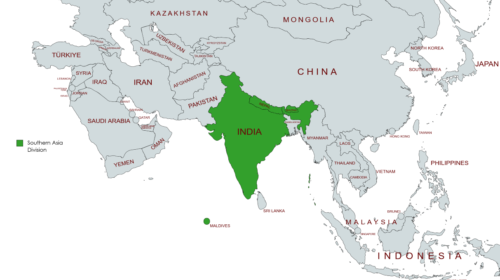

The Seventh-day Adventist Church in Southern Asia has a membership of around 1.2 million people. Over the past century, it has established a strong presence throughout the region. The church operates several institutions, which provide essential services to meet people’s needs.
The church operates educational institutions including schools, colleges and universities in India. The church’s emphasis on education has helped to uplift marginalized communities and has contributed to the overall development of the country.
One of the notable features of the Seventh-day Adventist Church in India is its commitment to holistic health and wellness. The church’s hospitals are renowned for their compassionate medical care and treatments.
The SDA Church is also committed to environmental stewardship and sustainable living. The church’s members actively promote practices such as vegetarianism, water conservation, and waste reduction, which align with the church’s belief in the importance of caring for the planet and its resources.